Mazda BT-50 Tech Drive: Navigating Water Crossings
Learn how to safely tackle water crossings with the Mazda BT-50, featuring a wading depth of up to 800mm and expert tips for off-road adventures.
Manufacturer announcement. This is the manufacturer’s announcement. It is separate from DriveAgent’s original reporting. How we source stories
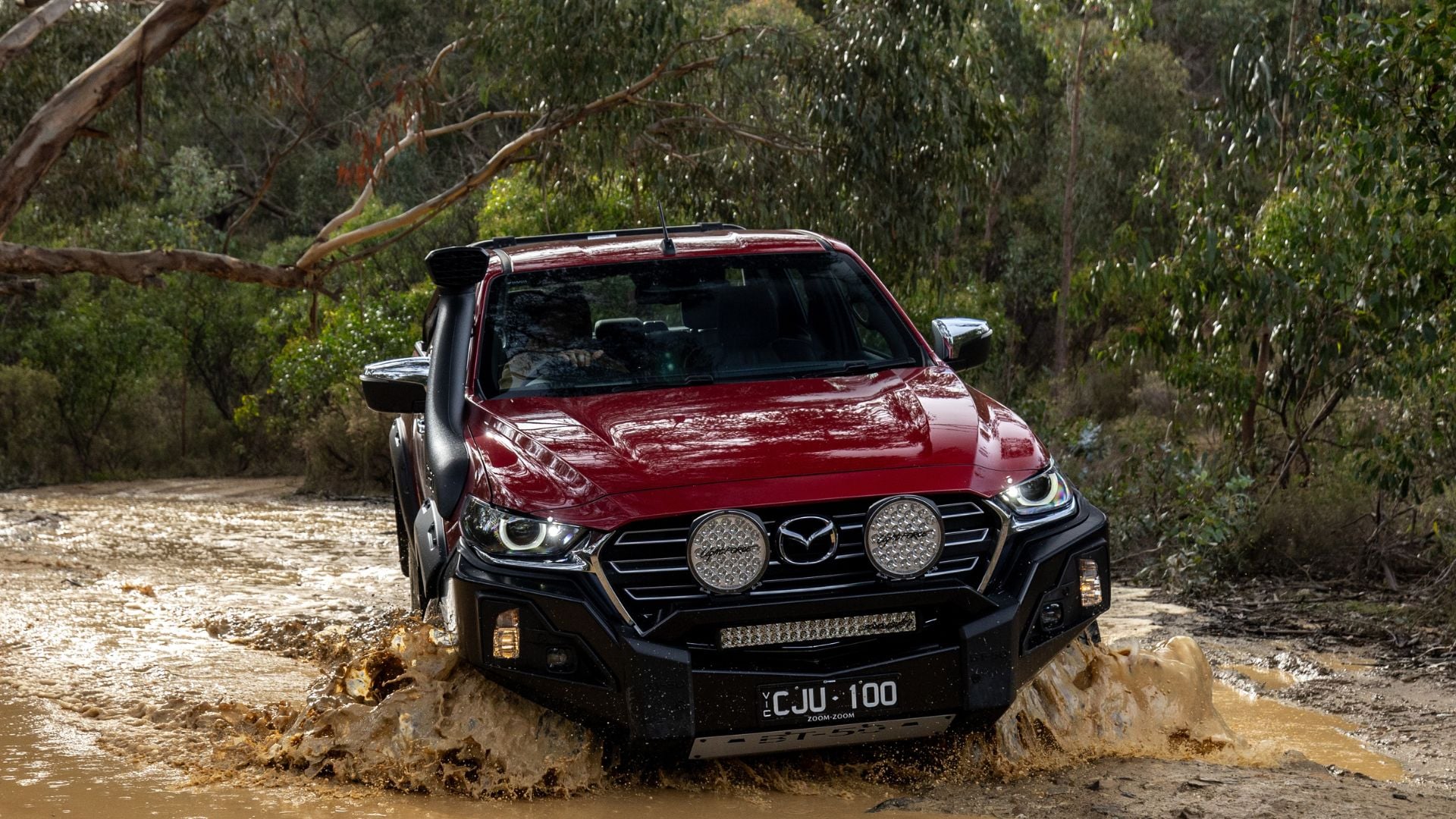
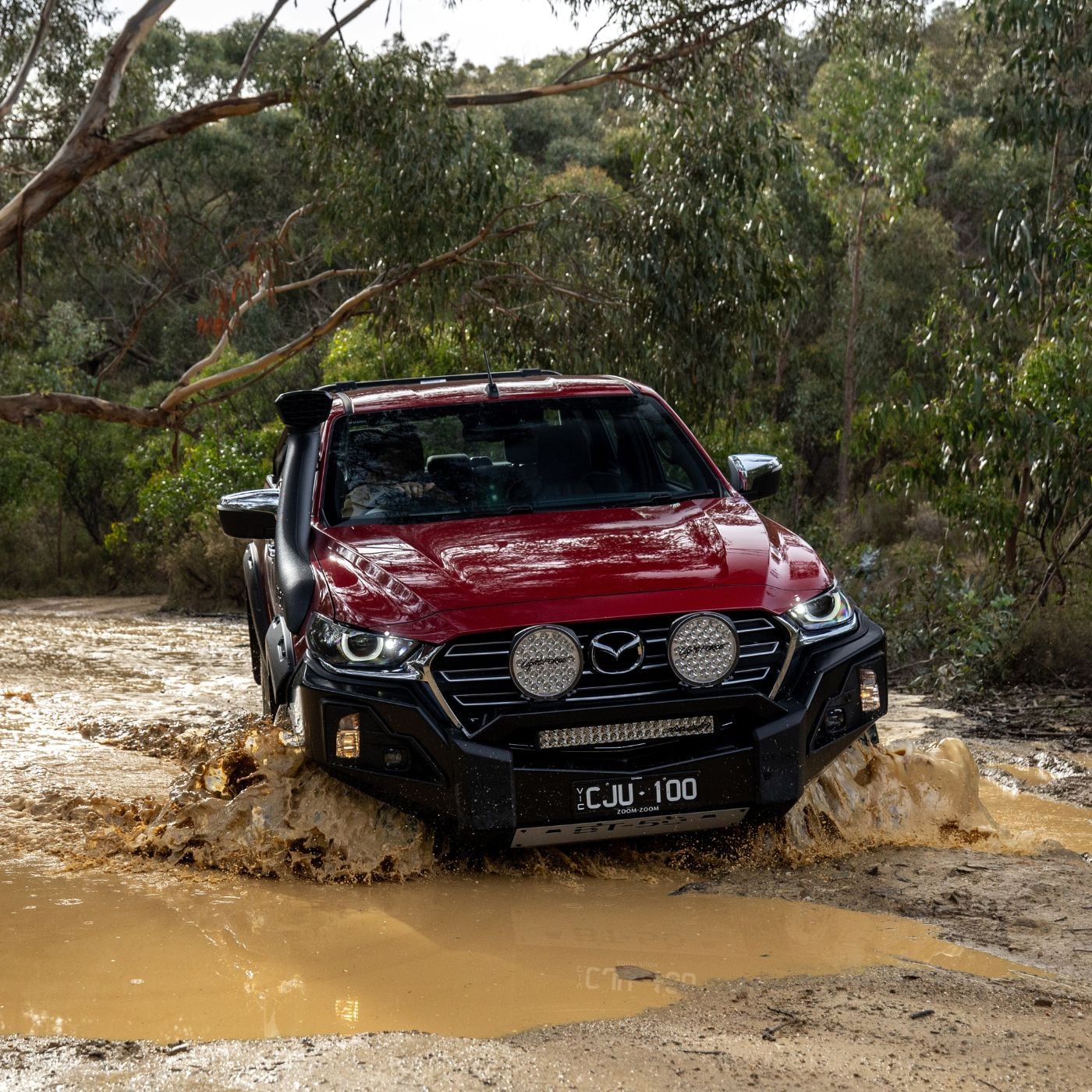 Mazda BT-50 Tech Drive: Water Crossings
Mazda BT-50 Water Crossings tips for Safe Off-road Driving in Australia
Get wet without taking a bath
Even the most experienced off-road drivers love a big muddy splash but there are some steps to follow before putting a rubber toe in the water.
How deep is the crossing? Is it flowing too quickly? What’s the underwater surface like? And even though you might have a snorkel fitted, it’s not a reason to dive deep.
With a wading depth of up to 800 mm, crossing water in the Mazda BT-50 can be simple. It’s all about choosing the right conditions and taking the right steps, as you’ll see in this video.
Read transcriptMazda BT-50 Tech Drive: Water Crossings Watch on YouTube
All right, as I’m driving through, I can see that I am approaching a bit of a water crossing. Before I tackle this crossing, there are some considerations I need to take. I need to make sure that the environment is safe and that the water isn’t too deep.
Right now, I can park the vehicle, grab a stick from the environment, or even use a shovel if I have one on board, to test the ground surface and ensure it’s safe. The Mazda BT-50 has a wading depth of 800 mm, and yes, I do have a snorkel. It’s important to note, however, that the snorkel does not increase that maximum 800 mm wading depth. The benefit of the snorkel is to allow fresh, clean air at a higher entry point.
I just want to clear up any misconception that having a snorkel means you can enter water crossings above the bonnet—that is not the case at all.
Okay, I’ve tested the water. It’s quite shallow, so we’re good to go. I’m going to approach at a moderate speed and track through as normal. There’s no need to rush, especially since there are small wombat holes under the water. By keeping a steady pace, we can navigate safely.
I may have gotten some water through the chassis, so I’m going to pause here for about 10 seconds to allow it to drain. As I drive naturally, the water will eventually drain anyway, but if I continue immediately, it could affect the track beyond. Environmental preservation is a key consideration in four-wheel driving.
Okay, we’re good to go.
Explore Mazda BT-50Build Your Mazda BT-50More Articles
17/08/2026
Mazda LifeMazda MX-5 GT RS: Tasmania West Coast Road TripRead more
14/08/2026
Mazda LifeMazda Tech Drive: What Is a Mild Hybrid (MHEV)?Read more
07/08/2026
Mazda LifeMazda CX-5 Tech Drive: Evolution of Kodo DesignRead more
31/07/2026
Mazda LifeMazda CX-5 Tech Drive: Inside the CabinRead more
24/07/2026
Mazda LifeMazda CX-5 Tech Drive: Space and PracticalityRead more
23/07/2026
NewsMazda Large SUV Range: 2026 Pricing and Equipment Updates Read more
15/07/2026
Mazda Life7's Day 2026: Celebrating the Mazda RX-7Read more
13/07/2026
NewsAll-Electric Mazda 6e: Australia's Media VerdictRead more
09/07/2026
NewsMazda Assured: Guaranteed Future Value for EVsRead more
03/07/2026
NewsNext-Gen Mazda CX-5 Receives 5-Star ANCAP Safety RatingRead more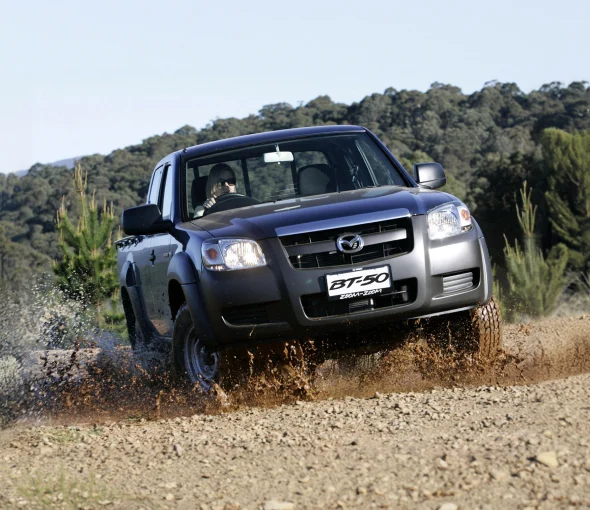
03/07/2026
Mazda LifeWork and Play: 20 Years of the Mazda BT-50Read more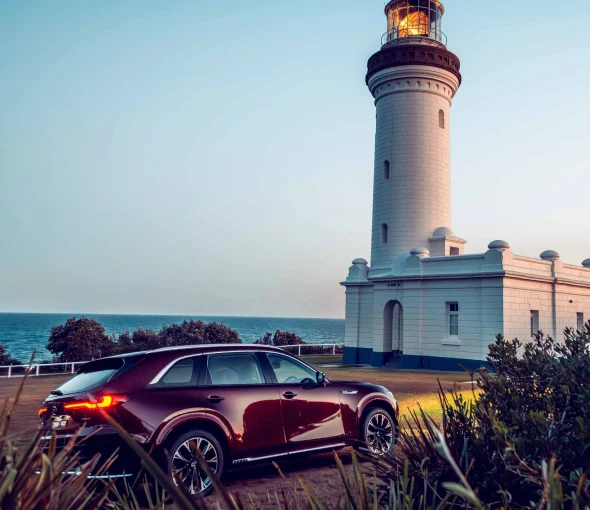
01/07/2026
Mazda LifeMazda CX-90 Goes Round the TwistRead moreMore Mazda announcements
View all →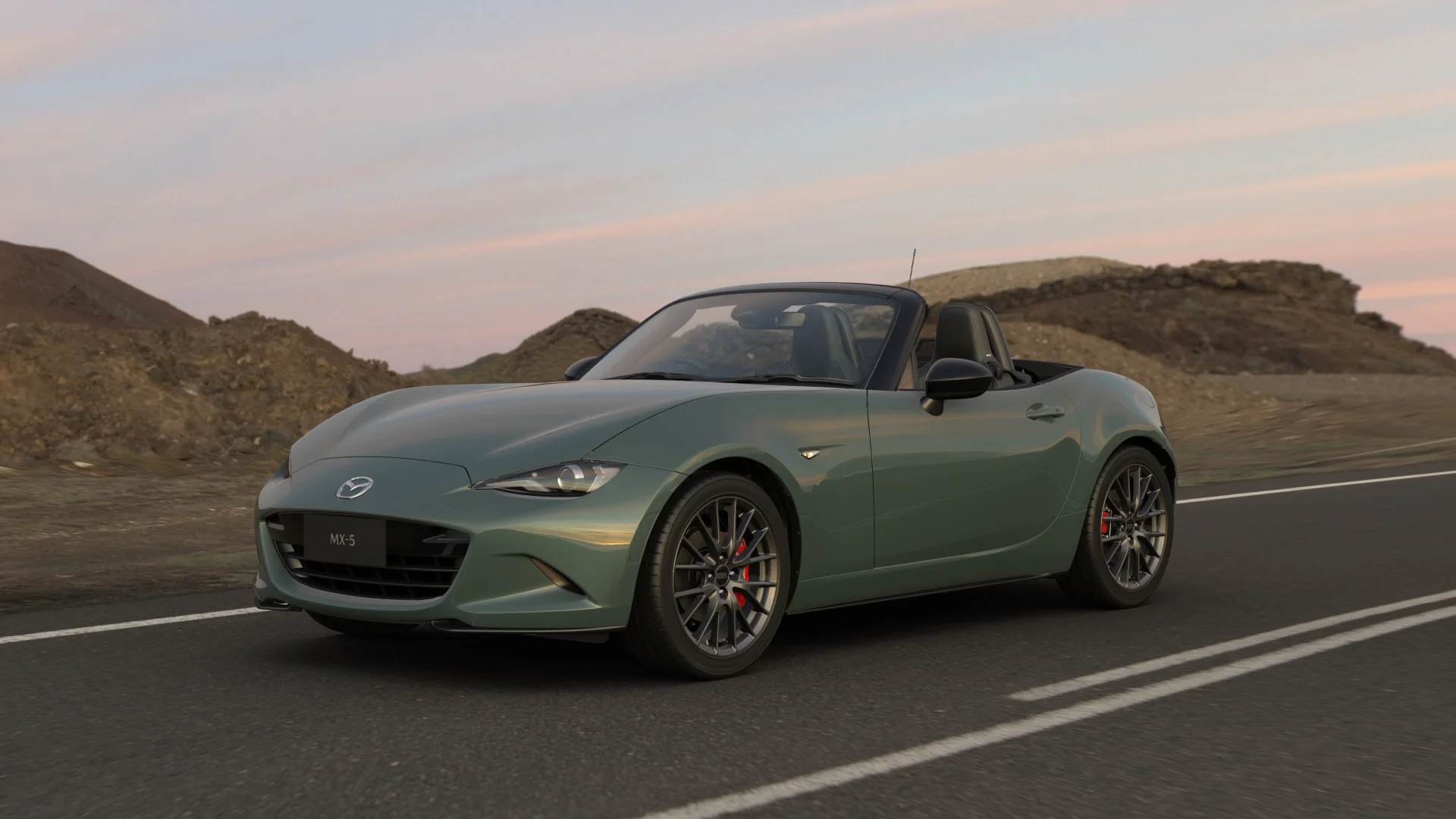
Mazda · Manufacturer news
2026 Mazda MX-5 Update | Mazda Australia
The 2026 Mazda MX-5 arrives with new Zinc Green Metallic paint, standard RECARO seats on the GT RS, and upgraded AEB. Available to order now.
Mazda · Manufacturer news
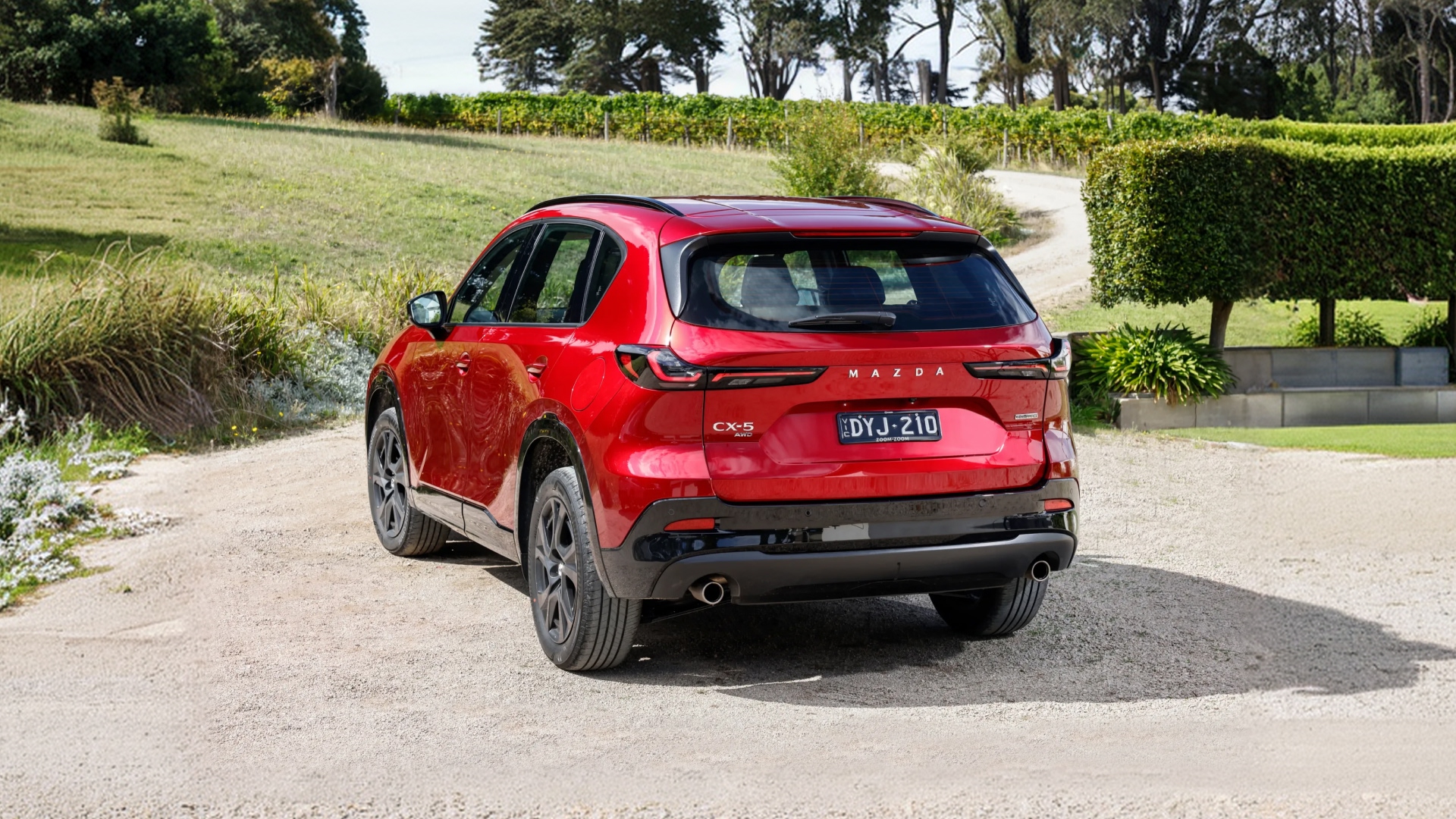
New Mazda CX-5 Space & Practicality | Tech Drive
How much can the next-generation Mazda CX-5 really carry? Explore the space, comfort and clever practicality behind Australia's favourite SUV.
Mazda · Manufacturer news
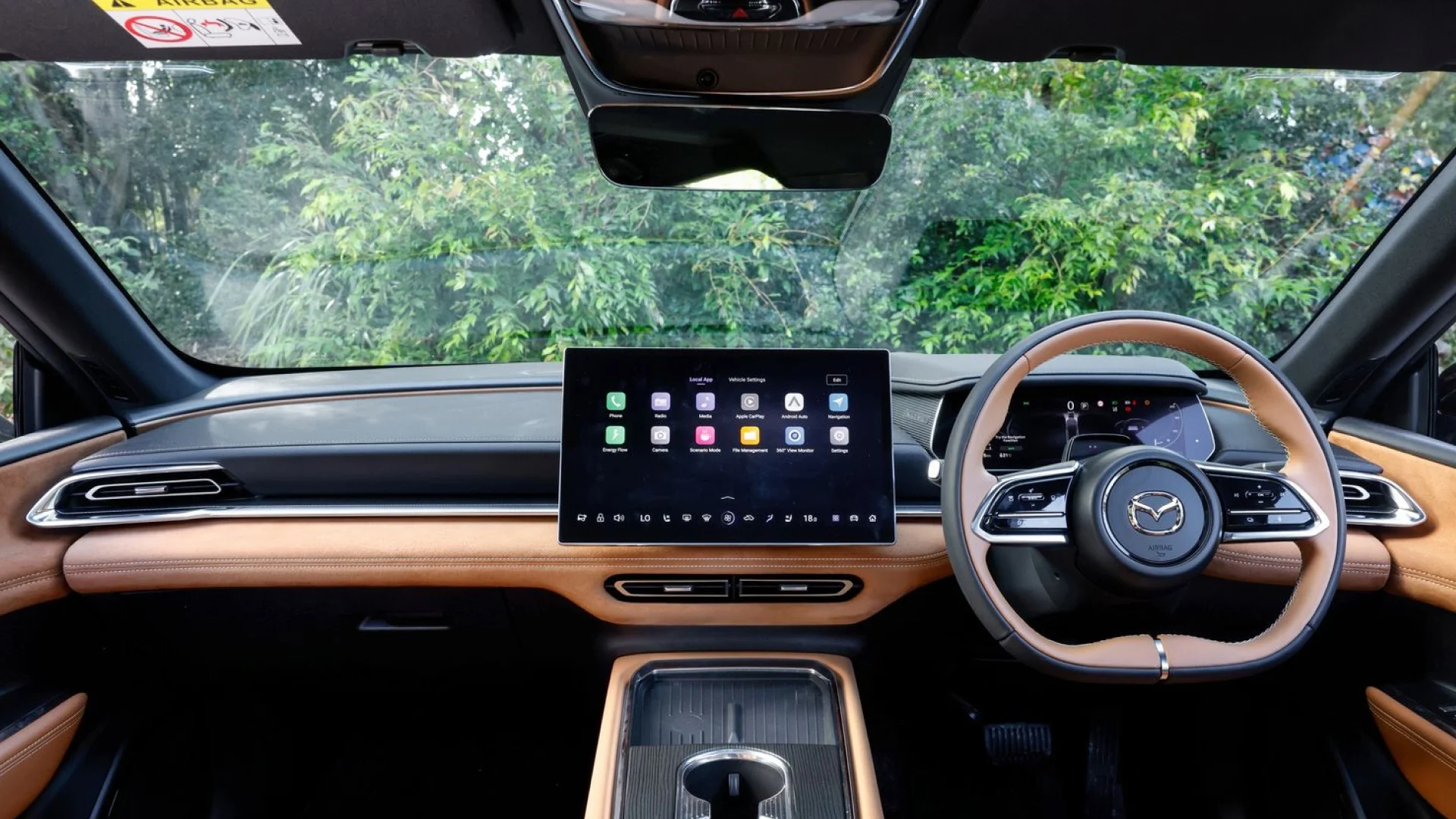
Mazda 6e HMI: Shortcuts & Voice Control | Tech Drive
Make the Mazda 6e your own. See how to program the steering wheel shortcut buttons and use 'Hi Mazda' voice control to reach your favourite functions.